Before dispatch
Agree packed dimensions, inspection photos or video, included accessories and loading requirements.
Food & beverage vending / Commercial equipment
Plan the meal box, storage, heating and pickup as one operating route.
Model presentation. Confirm your ordered version in the quote.
A closer look at this model
Bring packaged meals into a managed indoor vending route with a cabinet that combines a visible meal display, a portrait ordering screen and a separate pickup area. Start with the menu and sealed tray samples: the right configuration depends on package dimensions, filled weight, storage conditions, recipe-specific heating and the complete payment-to-pickup sequence. The illustrated reference measures W 1839 × D 991 × H 1940 mm according to the supplier page and matching brochure. It is a reference envelope for the pictured version, not a packed shipping size or an installation drawing. Use the quotation to agree the ordered configuration, usable capacity for your trays, electrical supply and payment setup. Capacity, temperature and heating claims differ across the source materials, so no universal meal count or serving time is promised here. Brand and function customization is typically available for orders of around 10–20 machines, with access to existing tooling for these machine types. Send the quantity for each selected model, destination, artwork and requested changes. Your quotation confirms the feasible scope, added cost and production schedule. Standard-machine enquiries remain welcome.
Model highlights
Visible format: glazed meal shelves, a portrait ordering screen and a separate pickup area are shown in the reference.
Operating sequence: demonstrate selection, payment confirmation, tray movement, recipe-specific heating and customer collection on the quoted build, including repeated orders.
Fault response: check blocked trays, failed payments, uncollected meals, power or network interruptions and restart. Confirm which detection, lockout, refund and recovery functions are included.
Tray samples: send external length, width and height, filled weight, lid and seal design, and representative meals. Agree the sample variations and accepted loading layout.
Package testing: assess samples after storage and heating for stiffness, condensation, warping and leakage through movement and pickup. Illustrated trays do not establish universal box compatibility or included meals.
Storage: specify menu, initial food condition and packaging. Confirm the quoted cooling and heating modules, control settings, monitoring and supplied operating procedures.
Heating: validate each recipe and packaging against the intended serving outcome. Agree menu-specific checks and staff response to temperature excursions or interrupted heating; source timing and temperature descriptions differ.
Usable capacity: demonstrate loading with the approved tray and shelf arrangement, then count usable positions for the menu mix. Brochure ranges do not establish capacity for every box.
Replenishment: plan service windows, restocking access, storage needs and expected waste. Define stock rotation, expiry checks and any proposed sale-lockout requirements in the operating brief.
Site drawing: the supplier reference is W 1839 × D 991 × H 1940 mm and 630 kg. Confirm the ordered drawing, complete machine weight, service-door access, ventilation and customer reach.
Delivery access: review floor loading, door widths, lifts, ceiling clearance and the handling route. Confirm packed dimensions, protection, permitted disassembly and unloading equipment separately.
Electrical: confirm complete-machine rated and peak load, voltage, frequency, plug, grounding and circuit for the selected cooling and heating modules. A single module rating is not the simultaneous system load.
Payment: specify destination, currency, provider and connectivity. Agree hardware, integration, account ownership, recurring fees, settlement, refunds and failed-order handling; visible hardware does not prove local compatibility.
Daily work: assign refill, expiry checks, food-path cleaning, waste, opening and closing checks and fault response to named roles.
Operating support: request the supplied cleaning and service procedures, training, critical-spares list and escalation route. Tools or cleaning supplies in illustrations are not an included-accessories list.
Software: confirm available monitoring, software access, licences, recurring charges and update support. Agree the operator duties and technical support route.
Customization quantity: brand and function changes are typically available around 10–20 machines using existing tooling. This is not a fixed MOQ for every enquiry; specify quantity per selected model.
Customization scope: send artwork, destination and requested changes. The quotation confirms feasibility, affected components or software, sample testing, added cost and schedule.
Acceptance: align drawings, bill of materials, electrical setup, menu, tray layout and options. Request a continuous sample-based demonstration, repeated orders and defined fault responses; record conditions and agreed results.
Order documents: review available manuals, parts information and model-matched destination documents with the responsible importer. Illustrations do not establish certification, physical performance or food-operation approval.
Packing: request packed size and gross weight, crate and protection details, handling instructions and order-specific inspection photos or video. Agree protection for glass, screen, pickup area and internal moving assembly.
Delivery responsibilities: separate production, inspection and shipping milestones. Allocate freight, destination charges, unloading, installation and commissioning; 630 kg is the reference cabinet weight, not packed gross weight.
Warranty and support: agree the contracting supplier, coverage, exclusions, remote response, parts availability, replacement-parts freight and local labour responsibility.
Quote brief: send destination, quantity per model, venue plan, menu and sealed tray samples, service windows, available power, payment provider and daily service arrangements. Add artwork, requested functions and opening date if known.
Commercial scope: separate equipment, options, customization, software, packing, freight and support costs. Agree quotation validity, payment milestones and production schedule; no fixed price, lead time, sales volume or return is promised.
Illustration boundary: workplace, canteen and hospitality scenes are placement concepts. Perspective scenes are not measured installation drawings or evidence of a completed customer installation.
Your model checklist
For an indoor meal route with an assigned team for replenishment, expiry checks, cleaning and fault response. Workplace, canteen and hospitality settings are placement concepts, not confirmed installations. Check the full operating envelope: customer reach and pickup, queue space, service access, ventilation, floor loading, delivery doors and handling route. Confirm storage and heating requirements for your own menu. The image suite does not establish outdoor suitability, legal food-handling compliance or a completed customer project.
Confirm ingredients, refill and cleaning workflow for the exact configuration in your quotation.
Confirm water, drainage, cooling and electrical load for the exact configuration in your quotation.
Confirm attended or unattended operation and destination requirements for the exact configuration in your quotation.

01Plan its place
Allow separately for operating access, refilling and the delivery route. Packed size is confirmed in the quotation.
View reference specifications
02More model details
Workplace placement concept with a person holding a sealed meal tray. Illustrative scene, not a customer installation.
Ordering-area concept for reviewing customer reach, circulation and payment setup. Illustrative scene.
Reference exterior for comparing the quoted cabinet drawing and bill of materials. Source-based illustration.
Customer interface review showing the ordering screen, payment hardware and separate pickup door. Illustration only.
Meal-box compatibility brief covering dimensions, filled weight, seal and tray stability. Illustrative samples.
Storage conditions, recipe-specific heating and pickup recovery need separate confirmation. Procurement illustration.
Daily service planning for refill and expiry checks, food-path cleaning and technical support. Illustrative supplies.
Managed indoor meal-point concept with a person holding a sealed meal tray. Plan replenishment and cleaning.
Configuration brief covering destination, meal samples, utilities, payment, service, packing, freight and warranty.
Brand & function customization
Brand and function customization is typically available for orders of around 10–20 machines.
Branding direction. Final artwork and configuration are approved for your order.
Build your quote brief
Standard finish · 1–5 machines
Start from an existing machine design. Share the quantity for each model and required function changes. Available options, customization costs and production schedule are confirmed for your selected model and destination.
Before you commit
From the floor plan to the freight quote.
Make the next decision with the right information.
Start with the source values
Supplier reference: Hot Meal Vending Machine
Reference data. Confirm the final dimensions, power supply, payment setup and model before ordering.
Review these model questions with your venue, destination and order scope.
Agree packed dimensions, inspection photos or video, included accessories and loading requirements.
Share your country and port. Separate freight, duties, local delivery and unloading in the agreed shipping terms.
Confirm warranty coverage, spare parts, troubleshooting, parts freight and local labor before paying a deposit.
CONFIDENCE BEFORE COMMITMENT
Buying for another country? Request the documents for your exact model and configuration, so you can review them before placing an order.
Send the model, destination country and any requirements from your importer. We’ll confirm which supplier documents are available for the quoted machine.
Request my model’s documentsDocuments apply to the model and scope shown. Final configuration and destination requirements are confirmed with your quotation.
No universal compatibility is asserted. Send external dimensions, filled weight, lid and seal details and actual menu samples. Test transport, heating, pickup and recovery using the proposed tray and agreed loading layout.
Use the capacity demonstrated with the selected tray and loading layout. The reference materials list different ranges. Agree usable positions, menu mix, replenishment frequency and expiry or waste handling before setting the service plan.
No single time is promised here. The source descriptions differ. Request a recipe-specific test from the agreed initial condition through customer pickup, then record the cycle and serving result for the quoted build.
Do not infer a freezer specification from inconsistent source text. Confirm the selected cooling module, control range, monitoring and operating conditions for the menu and the destination operation.
Confirm the complete-machine rated and peak loads, voltage, frequency, plug, grounding and circuit for the selected cooling and heating modules. A rating for one module is not automatically the simultaneous load of the complete system.
Send the provider, currency, preferred hardware and destination. The quotation should identify compatibility, integration, account ownership, connection needs, recurring costs, settlement and handling of cancelled or failed orders.
Plan replenishment, expiry checks, food-path cleaning, waste, stock rotation and fault response. Obtain the supplied procedure, training and support route. Confirm which alarms or software functions are included instead of assuming unattended means maintenance-free.
The supplier reference is W 1839 × D 991 × H 1940 mm. Add the clearances shown in the approved drawing for customers, service and ventilation, and check the delivery route, floor loading and unloading arrangement.
Brand and function customization is available for project discussion using existing tooling. Send artwork and the changes you need. Feasibility, affected hardware or software, testing, cost and schedule are confirmed in the quotation. Around 10–20 machines is the typical project range stated for brand and function customization, not a fixed MOQ for every enquiry. Provide quantity per selected model; the quote confirms the scope and commercial terms.
Ask for the agreed drawing and bill of materials, sample-based operating demonstration, loading layout, operating and cleaning procedures, fault-handling checks, available model-matched documents, critical spares and order-specific packing evidence. Confirm packed size and gross weight, crate and protection, handling instructions, freight route, destination charges, unloading and any installation or commissioning. The 630 kg supplier cabinet figure is not packed gross weight.
Identify the contracting supplier, coverage and exclusions, response route, parts availability, replacement-parts freight and local labour responsibility. Include training, software access and recurring support costs where applicable.
Request a current quote for quantity, configuration, customization and destination. Separate equipment and options from software, packing, freight and service, and agree production, inspection and shipping milestones. No fixed price or lead time is stated here.
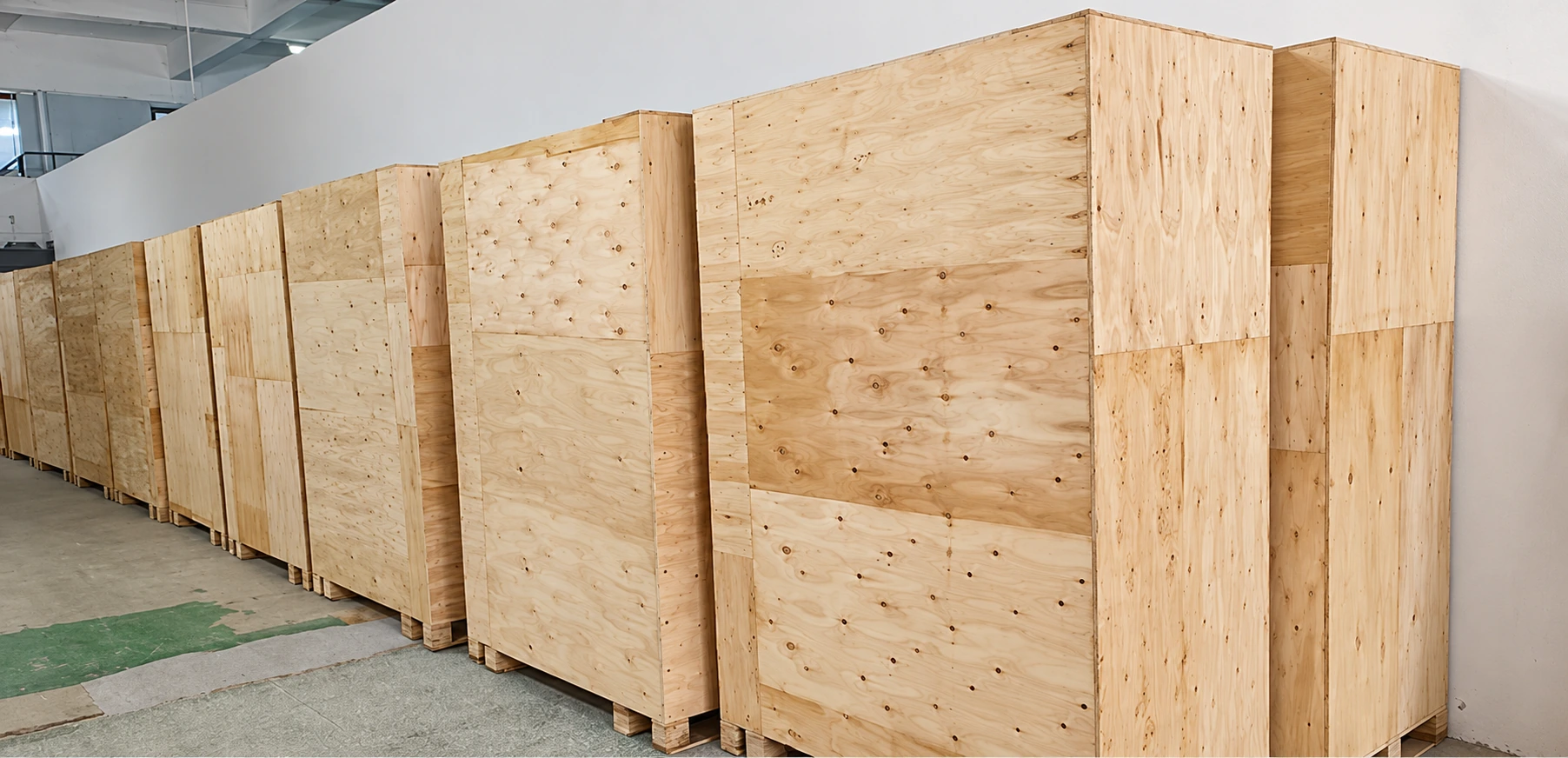
Agree the crate, protection and packed dimensions for your equipment.
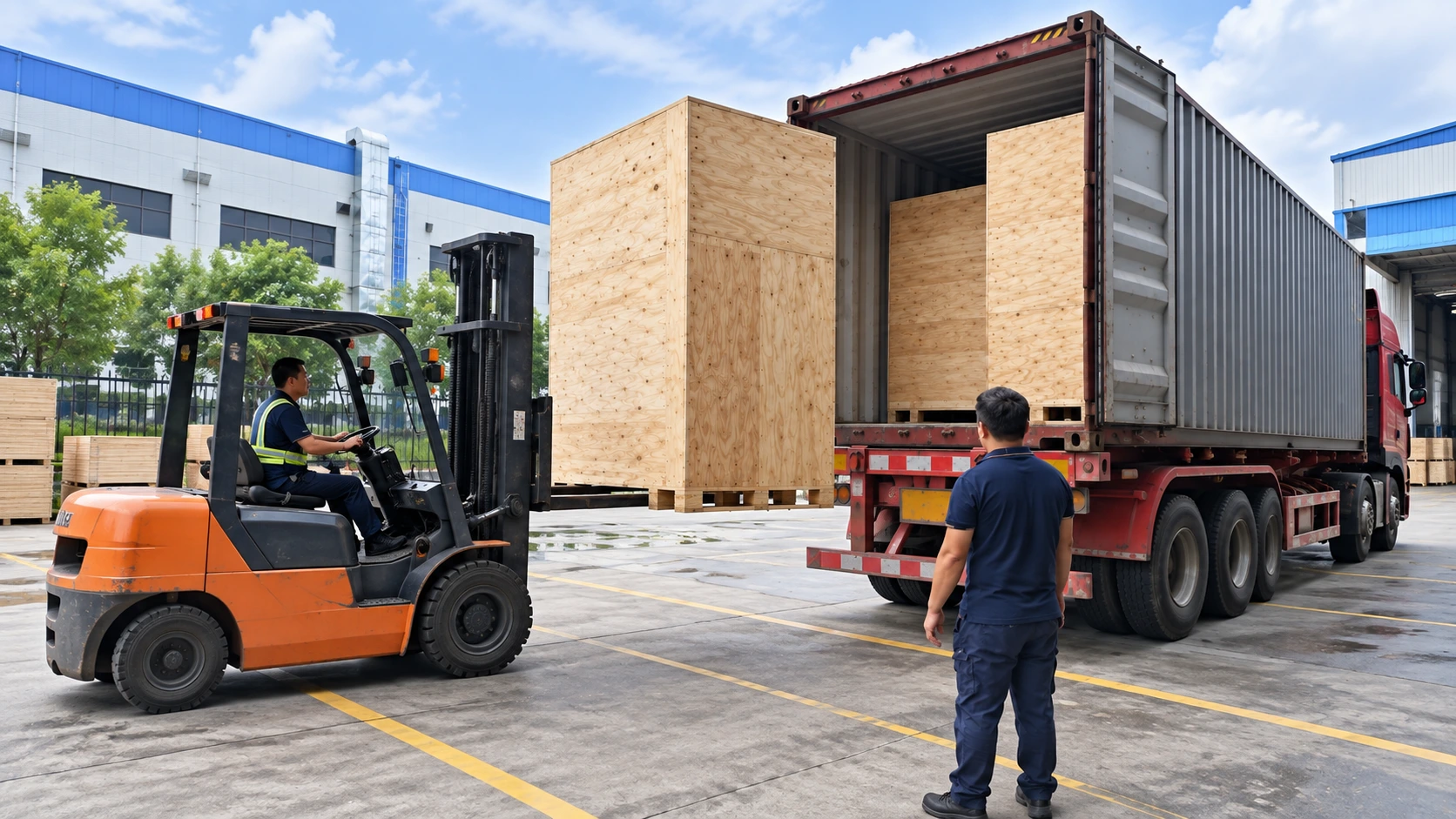
Plan how the packed machine will be handled and loaded.
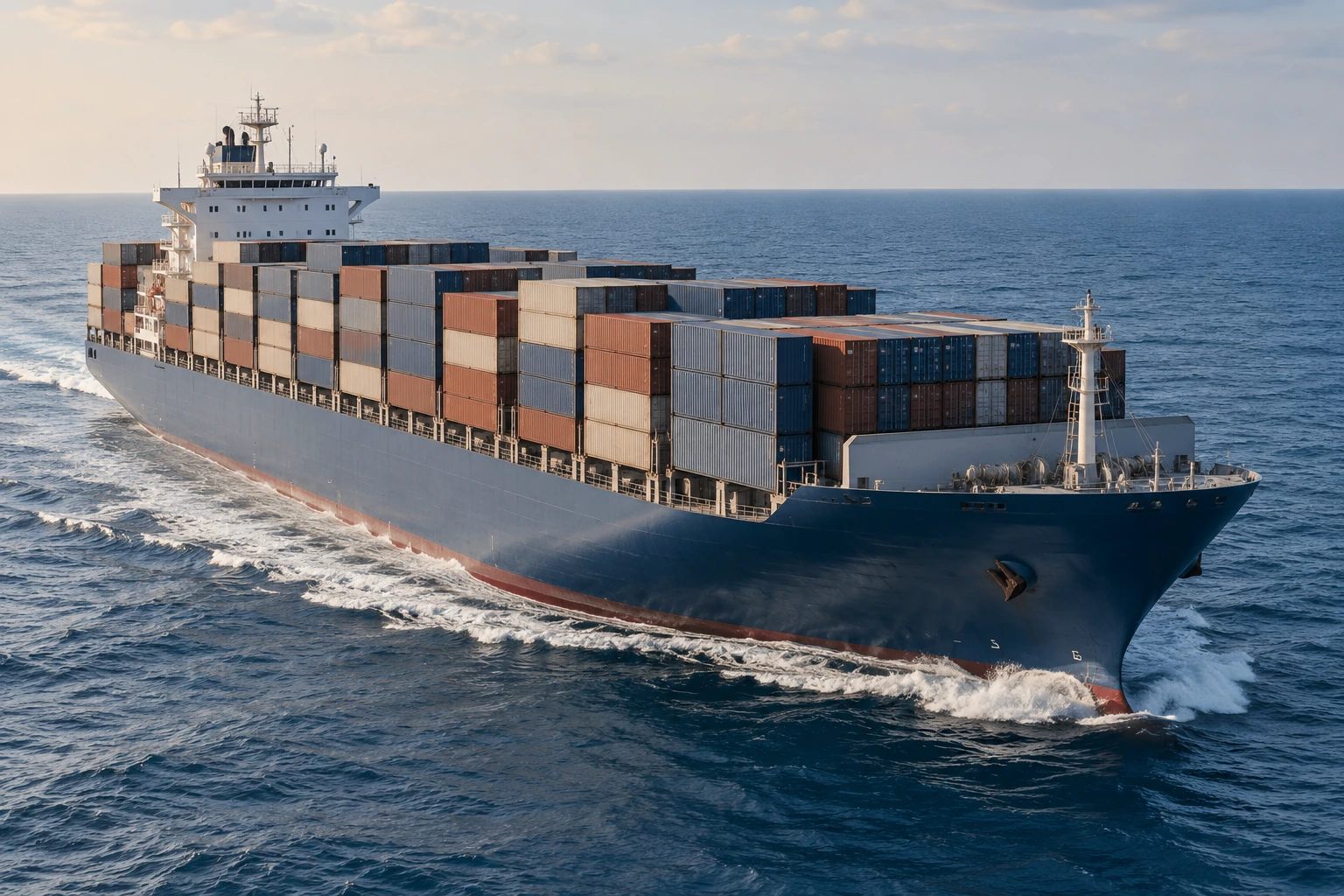
Define the freight route, documents and destination charges in your quote.
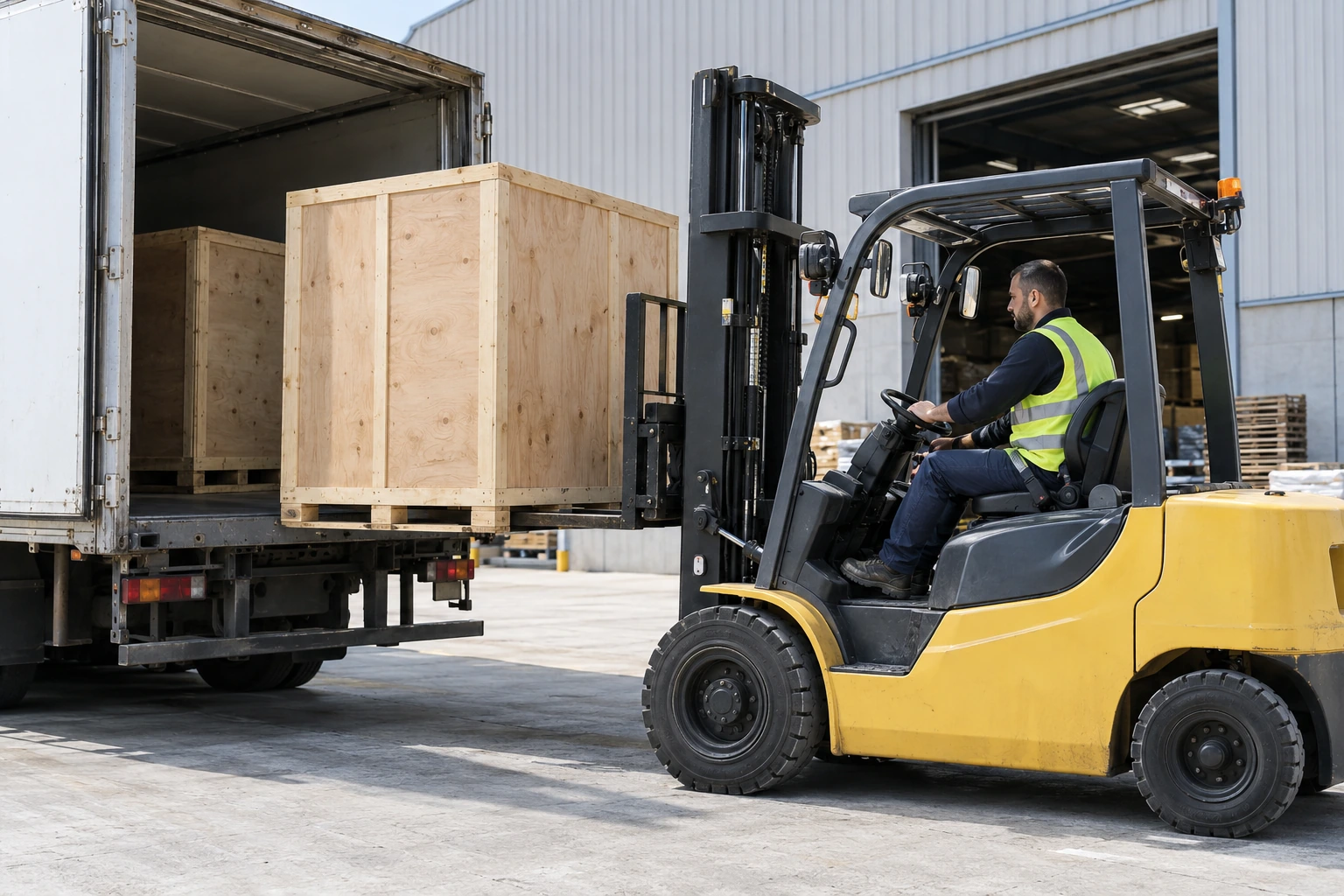
Confirm unloading access, handling equipment and local responsibilities.
Visual references, not shipment records. Packing and delivery are agreed in your quotation.
BUILT AROUND YOUR ORDER
We bring your Hot Meal Vending Machine configuration, custom requirements and delivery scope into one equipment proposal.
Confirm the build, branding and local setup.
Agree packed measurements and the shipping scope.
Review unloading, available manuals and spare parts.
From shortlist to quotation
Tell us where it’s going. We’ll review the machine, your selected options and the shipping scope.