Printing & beauty kiosks
Phone Case Printing Costs: Ink, Blanks and Rejected Outputs
Calculate phone case printing consumable cost per accepted case, including blanks, ink, test prints and rejected outputs; keep profit assumptions separate.
Measure consumption across a useful test batch
Phone case printing cost per accepted case equals the measured batch consumable cost divided by accepted outputs. Include blanks, ink and documented setup or cleaning consumption, then keep rent, labour, machine cost and software in separate operating rows. Ink tank capacity cannot supply this cost on its own.
A pilot should include representative artwork rather than only designs chosen for low coverage. Record whether the machine provides a usable consumption counter and how that counter is checked. If measurement is not reliable, keep the budget as a range and ask the supplier for a documented method instead of presenting a precise cost.
Use an accepted-output denominator
The appropriate question is what the test batch cost for each accepted case, not simply how many print commands were issued. Record blanks loaded, prints attempted, accepted outputs and rejected outputs. Include calibration or sample prints in a separate row. This makes the financial effect of quality problems visible without pretending to know a future rejection rate.
Use one currency and a consistent cost basis. List ink, blank cases, approved service consumables, payment charges and consumable freight as separate inputs. Mark whether supplier prices include taxes or transport; local costs should come from current buyer-side quotes.
- Batch fields: dates; artwork mix; blank stock codes; attempted prints; accepted cases; rejected cases; test prints.
- Cost fields: measured ink cost; blanks consumed; service consumables used; payment charges; allocated freight.
- Calculation: measured batch consumable cost divided by accepted cases; report excluded costs alongside the result.
Work a transparent hypothetical example
Assume a pilot batch uses consumables costing 90 units of an unspecified currency and produces 60 accepted cases. The batch consumable cost is 1.50 per accepted case. If the same cost produces only 45 accepted cases, it becomes 2.00. These assumed figures demonstrate the denominator effect; they are not a kiosk performance estimate.
Keep rent, labour, software, machine depreciation and tax in separate operating rows. The consumable figure helps compare print supplies; the full operating budget shows how the offer fits the venue. Artwork mix and rejected outputs are useful sensitivity variables because both can change cost per accepted case.
Test the variables that could change the result
Compare high-coverage artwork with lighter designs, and new blank batches with the accepted substrate. Log any changed settings. Request the actual consumable replacement specification and supplier replenishment terms. Cheap alternative ink is not a saving until the equipment supplier and relevant reviewer accept its compatibility and use conditions.
Show a sensitivity table in your worksheet using operator-selected scenarios: fewer accepted sales, a higher blank cost or an additional service visit. Label all scenario values as assumptions. The purpose is to identify the cost that needs better evidence, not to create an attractive forecast.
Keep evidence quality visible in the budget
Put the measurement method beside each cost input: actual batch consumption, a software estimate or a supplier sample value. If two batches differ, compare artwork coverage, accepted-case count and cleaning use before averaging them. This often reveals which input needs another observation.
Connect the budget to a supply decision
Send the test-batch design, accepted-output criteria and consumable questions with your quote brief. Ask for a priced opening supply pack, reorder units and any software charges related to printing. Confirm what is included in the machine price so ink capacity is not mistaken for supplied ink quantity.
Use three columns—measured, estimated and still to price—then assign the next task to the row that most affects the choice. A better blank quote may matter more than another print test; a high rejection count may make sample work the priority. The budget should help select that next action.
CHECK THE REFERENCES
Sources
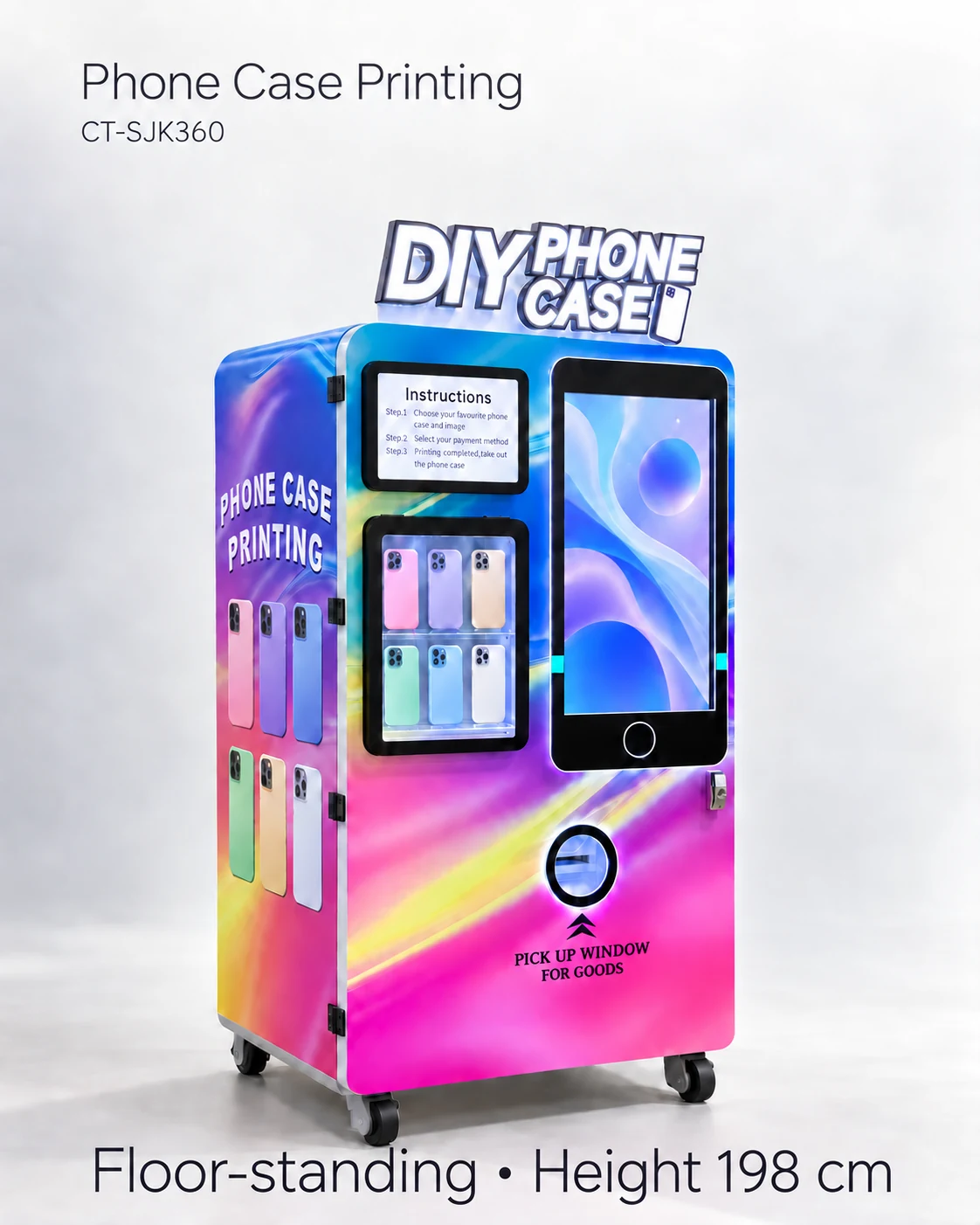
- Automatic Phone Case Printing Vending Machine reference configuration
Model reference and supplier-listed configuration.
PUT THE GUIDE TO WORK
Compare print supplies and costs
Send the blank formats, intended artwork mix and observed sample usage. Request separate prices for accepted blanks, ink, service supplies and included starter stock.
Build my equipment brief